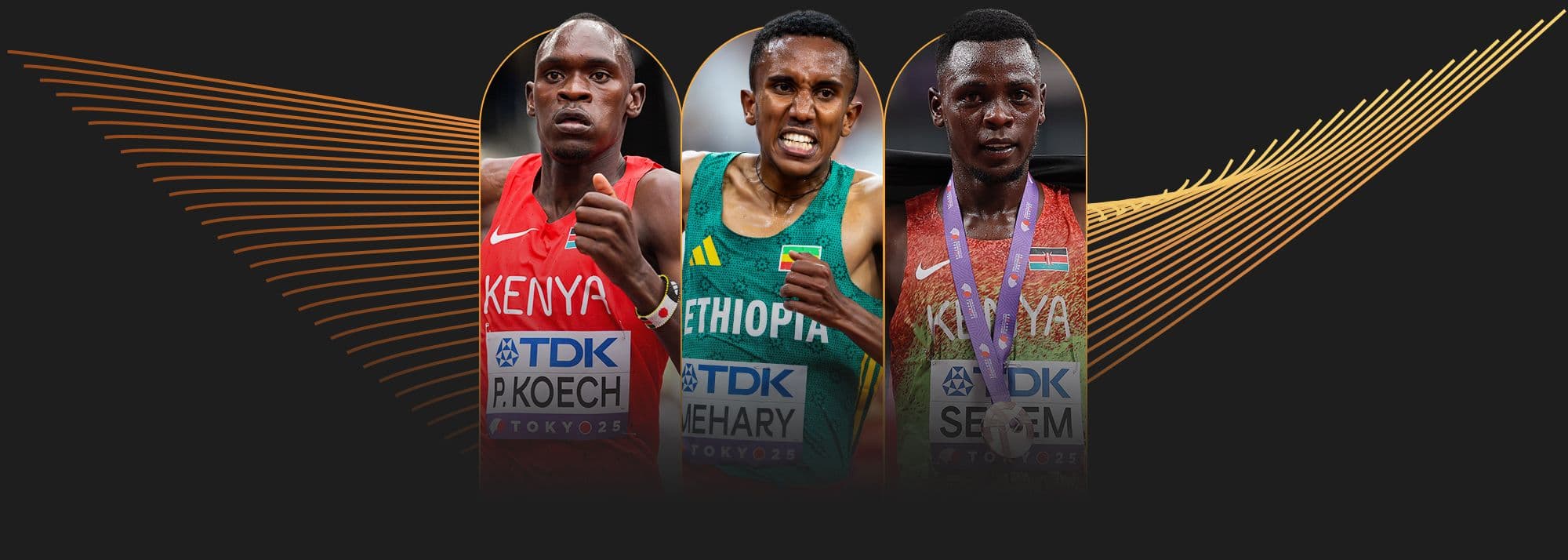
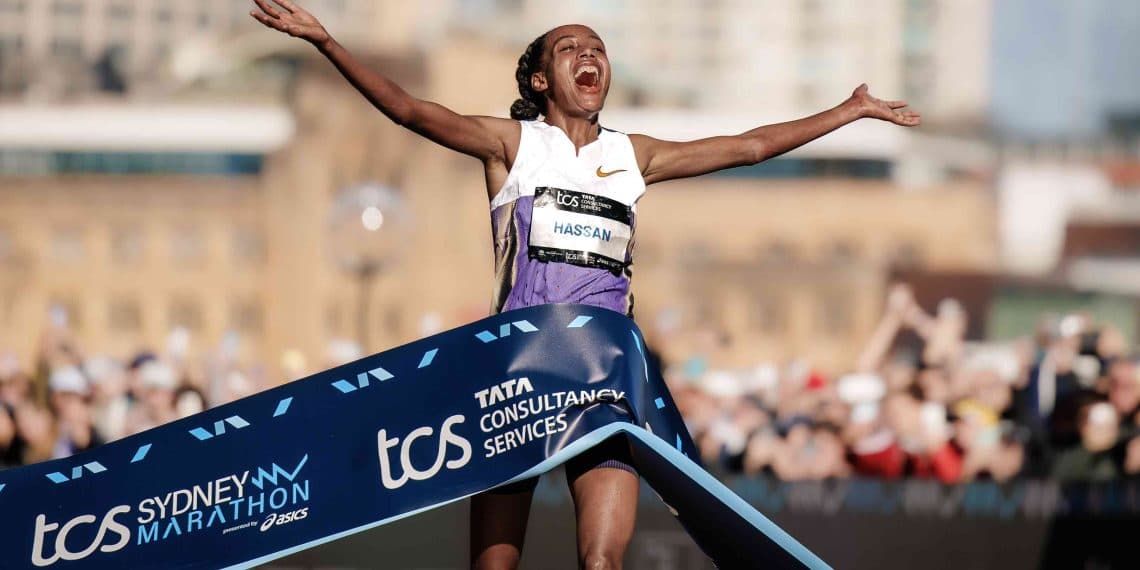
Uproar as Chebet, Melissa Jefferson miss out of final World Athletics’ awards list
On 4 November 2025, World Athletics released the final two names in the running for Female Track Athlete of the Year: Sydney McLaughlin-Levrone and Femke...

On 4 November 2025, World Athletics released the final two names in the running for Female Track Athlete of the Year: Sydney McLaughlin-Levrone and Femke Bol. Two phenomenal athletes, without question. But for many athletics fanatics, the announcement felt less like celebration and more like a provocation.
How did runners such as Faith Kipyegon or Beatrice Chebet or Melissa Jefferson-Wooden — after seasons of record-breaking dominance — get left waiting at the door?
The Case for McLaughlin-Levrone and Bol
There is no denying that both finalists earned their place on merit.
McLaughlin-Levrone stunned the athletics world by switching from her familiar hurdles discipline into the flat 400m and running 47.78 seconds to win gold at the Tokyo World Championships. A championship record, the fastest women’s 400m in 40 years and second on the all-time list. That is not a footnote. It is a landmark.
Bol’s dossier is equally sharp: unbeaten for much of the season, she successfully defended her world 400m-hurdles crown in Tokyo in a world-leading 51.54, capping a torrid run of Diamond League dominance and a European Athlete of the Year title.
From a technical standpoint this makes sense: two athletes at the very peak of their form, each in a one-lap event, with clear championship narratives.
The snub that hurt: what the excluded did this year
But this is not just about who is on the shortlist. It is almost more about who isn’t. And that is what has stirred the athletics community.
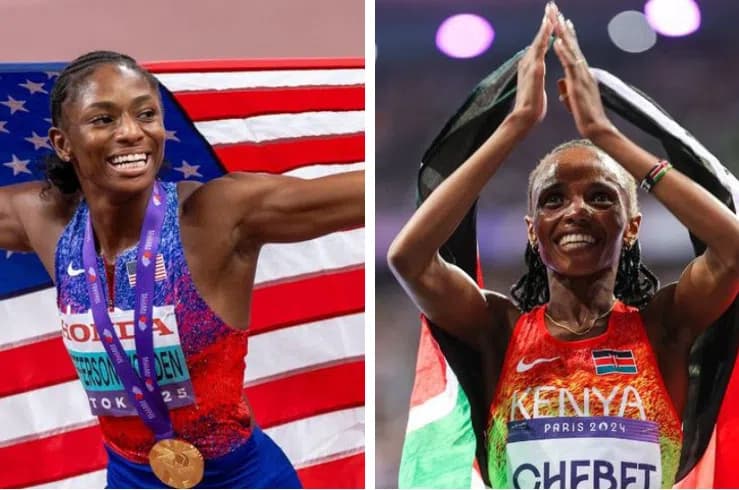
Take Melissa Jefferson-Wooden: at the World Championships she did something almost cinematic — the sprint double (100m & 200m) and a 4×100m gold — posting a championship record 10.61 in the 100 and a world-leading 21.68 in the 200. By achieving this “sprint triple”, Jefferson became the first American woman to do so and only the second woman ever after Jamaica’s sprint sensation Shelly-Ann Fraser Pryce.
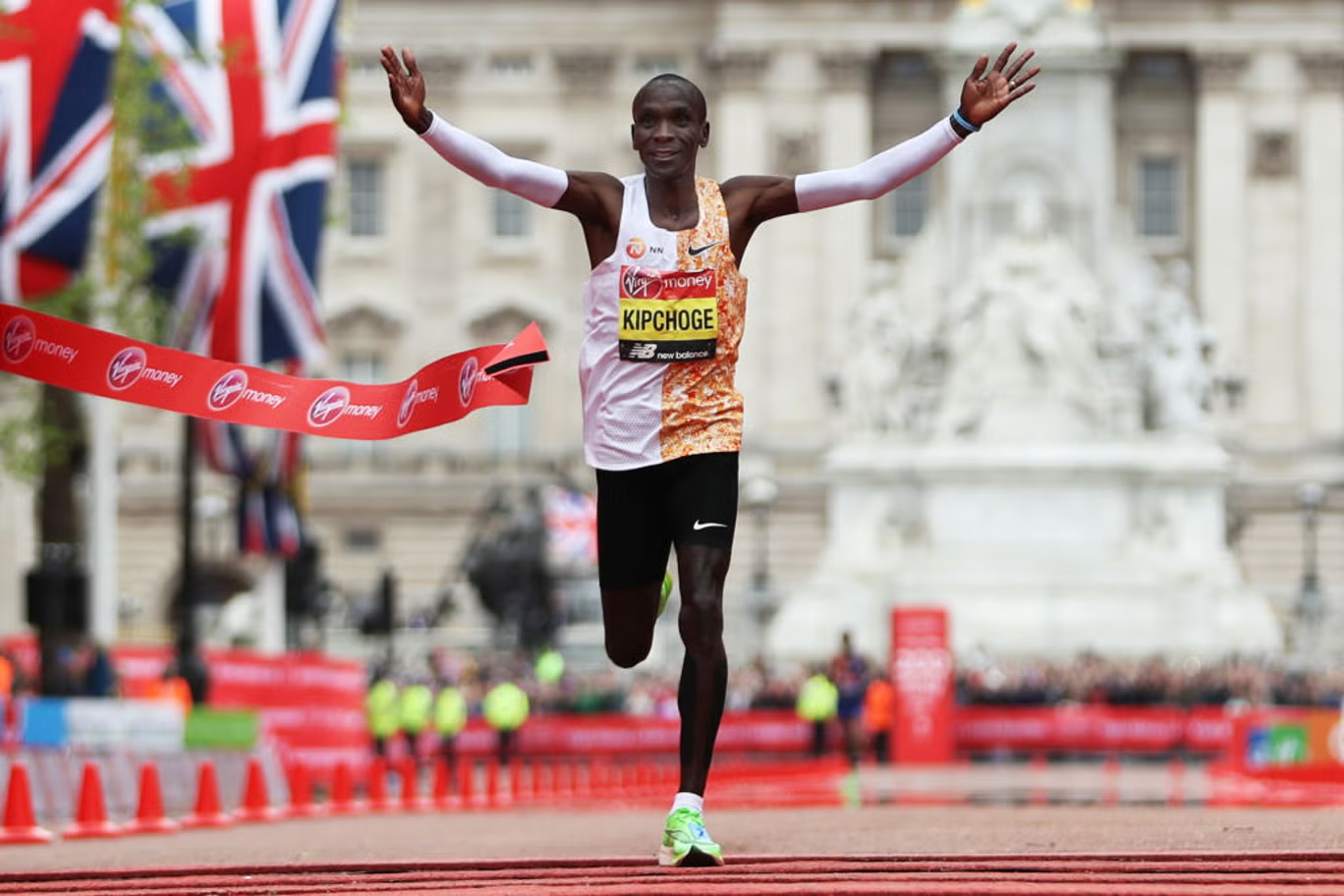
Then Kenya’s own: Faith Kipyegon rewrote the 1,500m conversation, lowering her own world record to 3:48.68 and defending her world 1500m title making it four in row— feats that keep her in the same breath as the event’s immortals.
Beatrice Chebet ran down records in the 5,000m and 3,000m. Chebet broke the 5000m World Record at the Prefontaine Classic in Eugene, clocking an astonishing 13:58.06 to take 2.15 seconds off the previous record of 14:00.21 and become the first woman in history to break the 14-minute barrier.
The long-distance queen then completed another 5000m and 10,000m gold medal double at the World Championships in Tokyo (mirroring her 2024 Olympic double). Despite her historic feats, she was snubbed again from being a finalist for the award.
That anger also had a local colour. Kenyan outlets and columnists framed the omissions as an affront not only to individual athletes but to a tradition — to Kenya’s modern identity as a distance powerhouse. Online commentators used words like “snub,” “scam,” and even questioned fairness and representation. Those are heavy words, and they point to something that’s as much cultural as it is statistical: awards don’t only hand out trophies, they write histories.
Global Voices Echo the Frustration
The outrage is not limited to Kenyan social media feeds. On X, LetsRun.com’s Jonathan Gault wrote bluntly:
“Athlete of Year over Melissa Jefferson-Wooden and Beatrice Chebet is legitimately insane.” X (formerly Twitter)
Meanwhile, Chris Chavez — founder of CITIUS Magazine — flagged the omission more neutrally but firmly: he reminded followers that Chebet and Kipyegon were among the nominees but did not make the final cut. X (formerly Twitter)
While neither made long commentary threads, their tone echoes the same concern: when the final shortlist bypasses athletes whose seasons were historically great, questions about the transparency and fairness of the process gain legitimacy.
What Does This Mean for Kenya & for World Athletics?
For Kenyan athletics, this is a moment of reflection more than protest. It is proof that performance on the track does not always translate into recognition if it does not align with how committees perceive value.
Athletics Kenya, fan groups, and media commentators may push for greater clarity in how finalists are selected — especially given that the public vote component (via social media) appeared to favour Kenyan athletes more strongly than the final result.
It’s not just about Kipyegon or Chebet personally. It is about what “global recognition” means for a distance-running powerhouse whose champions have often carried Kenya’s identity on the world stage.
If Kenya hopes to see more of its athletes consistently featured in global award finals, then its voice must adapt — not just through podiums and records, but through engagement with the narratives and systems that award bodies use.
How finalists are chosen — and why outrage makes sense
World Athletics doesn’t simply put the loudest social posts on stage. Their published method splits voting among the World Athletics Council (50%), the World Athletics Family (25%), and social media votes (25%) to create the first-round finalists. After that, fans on WorldAthletics+ help determine the final overall athlete. That weighting matters: it explains how an athlete extremely popular with fans could still be left out if the Council and family votes skew elsewhere.
Topics